Have you ever found yourself staring at your drone’s manual, puzzled over what all those battery instructions actually mean? Trust me, you’re not alone. Understanding the basics of drone batteries is crucial, especially if you’re a new pilot eager to master the skies without crashing—either literally or financially. While I might have once thought that the battery was just a little extra weight my drone had to lug around, it turns out it’s the lifeline. So, setting aside any trepidation, let’s venture into the world of drone batteries and discover the common missteps you should dodge to keep your flying dreams intact.
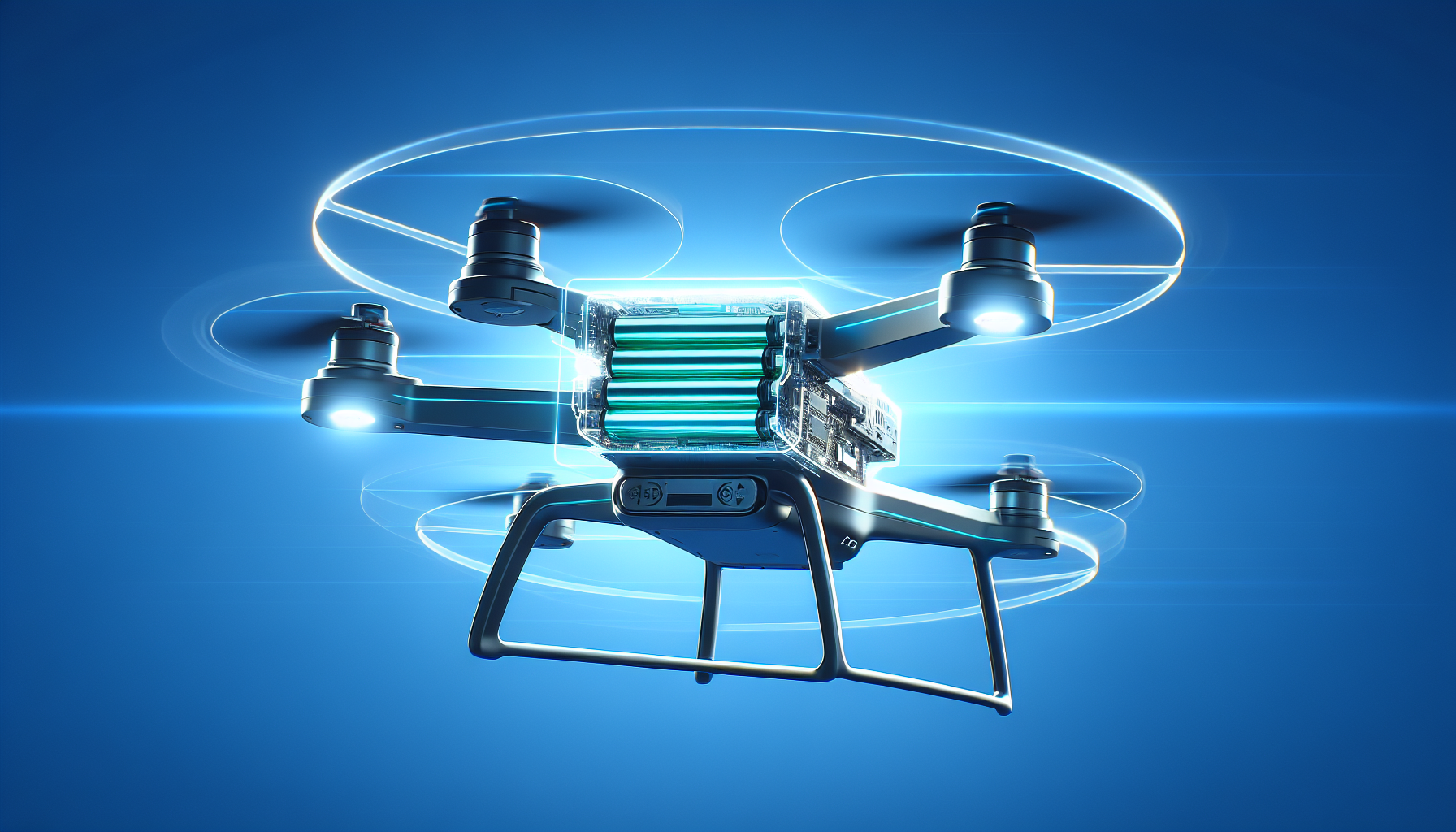
Understanding the Basics of Drone Batteries
Before we delve into the more intricate details, let’s start with the ABCs of drone batteries. After all, having a firm grasp of the basic elements will make it much easier to navigate the complexities later on.
Types of Drone Batteries
The world of drone batteries may seem like a maze, but it’s less daunting once you know your way around. The two most prevalent types are Lithium Polymer (LiPo) and Lithium-Ion (Li-Ion) batteries. Both have their pros and cons, and knowing these can help you make informed choices—especially if your goal is aerial photography, where battery reliability is critical (see choosing the right drone for aerial photography).
| Battery Type | Advantages | Disadvantages |
|---|---|---|
| LiPo | Lightweight, high energy density, delivers high current | Prone to swelling, sensitive to overcharging and discharging |
| Li-Ion | Longer lifespan, stable, less prone to swelling | Heavier, lower current output, tends to be bulkier |
Battery Capacity and Voltage
Ah, the classic question: how long can my drone fly? Battery capacity, measured in milliampere-hours (mAh), and voltage are the key players here. The higher the mAh, the longer your drone can stay in the sky—assuming you’re flying efficiently and not repeating common aerial photography mistakes that drain power unnecessarily.
C Rating: What’s That?
The C rating determines how fast a battery can safely discharge energy. High-performance flights, rapid climbs, or heavy payloads demand higher C ratings—but pairing the wrong battery with your setup can cause overheating or permanent damage, much like poorly planned DIY gear projects outlined in these costly gimbal build mistakes.
Charging Your Drone Battery Correctly
Charging seems like it should be the easy part, right? Just plug it in and wait. If only it were truly that simple. Charging your drone battery requires careful attention; mistakes here can be costly, if not outright dangerous.
Choosing the Right Charger
Always use a charger designed for your specific battery type and one that supports balance charging. Balanced charging ensures all cells charge evenly, preventing internal stress that shortens battery life.
Charging Practices
Never leave a charging battery unattended. Charge on a non-flammable surface or inside a fireproof LiPo bag. These precautions may seem excessive—until they save your workspace.

Mistakes to Avoid
Overcharging
Overcharging leads to swelling, reduced lifespan, or even fire. Use chargers with auto cut-off and disconnect batteries promptly once fully charged.
Over-Discharging
Flying past low-battery warnings causes irreversible damage. Landing early preserves battery health and prevents mid-air shutdowns—especially critical when capturing long aerial sequences.
Storage Mistakes
Store batteries at 40–60% charge in a cool, dry place. Poor storage habits quietly kill batteries long before pilots realize what went wrong.
Routine Maintenance
Regularly Check for Damage
Swollen or damaged batteries should be retired immediately. Continuing to fly them is a safety risk.
Practice Smart Cycling
Occasional discharge-and-recharge cycles keep cells balanced, particularly for backup batteries used infrequently.
Keep Firmware Updated
Firmware updates often improve battery management, flight efficiency, and warning accuracy—benefits that matter when shooting detailed scenes using specialized gear like filters discussed in aerial photography filter guides.
Safety Comes First
Understand the Regulations
Battery transport, storage, and flight regulations vary by region. Knowing the rules protects both your investment and your flying privileges.
Educate Yourself on Emergency Protocols
Understanding how to handle battery failures or fires is essential knowledge for every pilot.
Conclusion
Navigating the world of drone batteries is a rite of passage for every new pilot. By mastering the basics, avoiding common mistakes, and practicing disciplined maintenance, you dramatically extend battery life and flight reliability. The sky is far more forgiving when your power source is treated with respect. Safe flying!