Caught mid-flight, nervously eyeing the horizon as your drone wobbles, wondering if it’s going to make it back to you? If that sounds familiar, your drone’s battery might be nearing the end of its life.
Drones are incredible tools—capturing stunning aerial views and executing precise maneuvers. But behind every smooth flight is a battery working hard to keep things airborne. Understanding when it’s time to replace your power pack is essential, especially if you’re flying in demanding conditions or pushing creative limits with advanced aerial photography techniques (see these proven tips to elevate your drone game). Let’s explore seven key warning signs that signal it’s time to upgrade and keep your drone flying safely and efficiently.
Understanding Drone Battery Basics
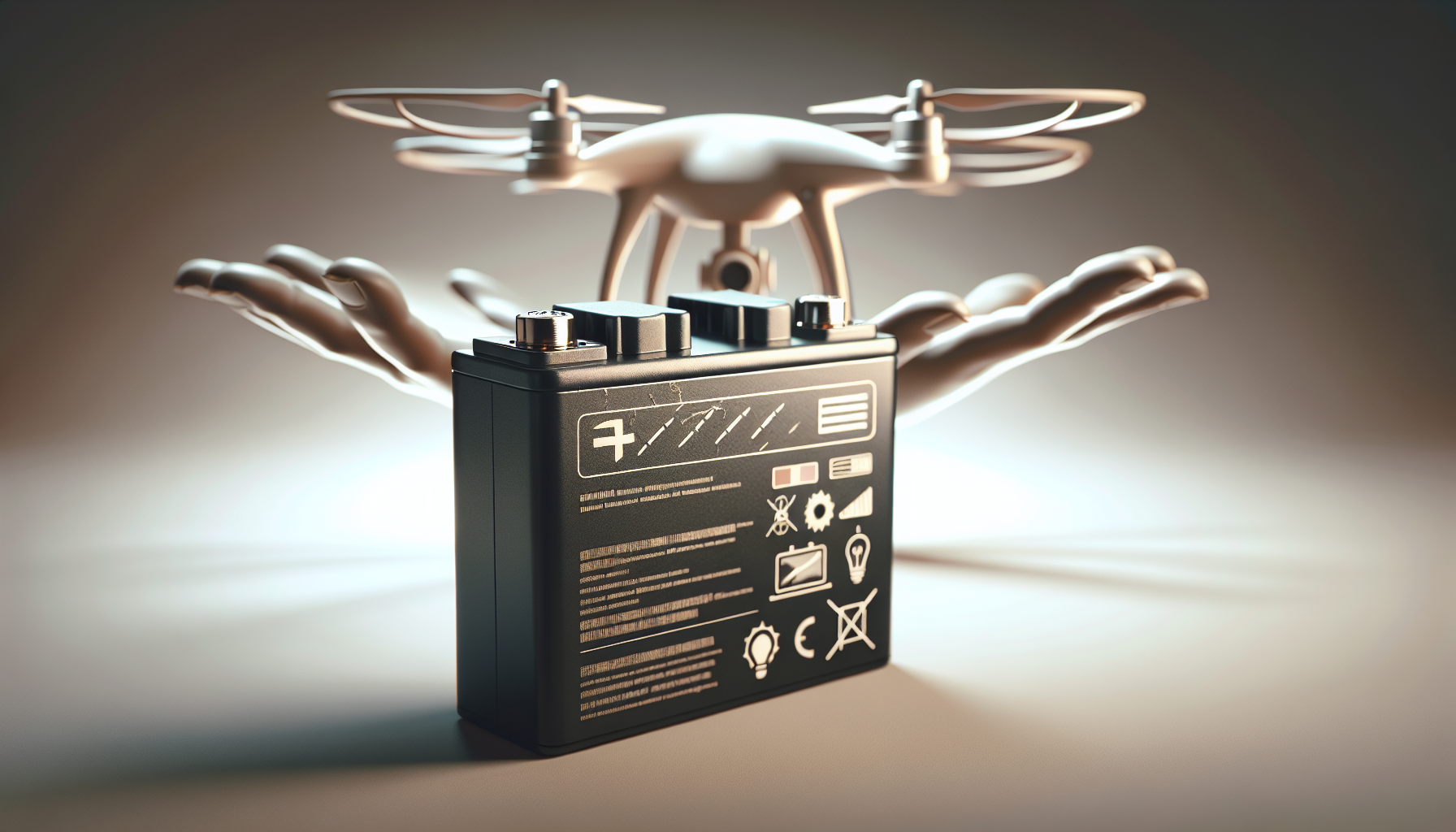
Before I share the warning signs, it’s essential to grasp some battery basics. The majority of drones use Lithium Polymer (LiPo) batteries. They’re light, powerful, and efficient but come with their quirks. LiPos demand care, and neglecting them can lead to diminished performance or even the dreaded “puffy battery” phenomenon—something that becomes more common if you frequently fly in hot environments without proper precautions (as explained in this guide on preventing drone battery overheating).
The Anatomy of a Drone Battery
Understanding how a battery works can be akin to learning how a magician performs tricks. A drone battery typically consists of several cells — 2S, 3S, and even 6S configurations are common, where the ‘S’ stands for ‘series.’ The number denotes how many cells are in series. Think of it as a team effort; each cell contributes to the overall power and capability of the drone.
Characteristics of Lithium Polymer Batteries
LiPo batteries have a reputation for their high power-to-weight ratio. This enables drones to achieve remarkable speeds and heights, even on compact consumer models such as budget-friendly or entry-level drones reviewed in comparisons like top budget drone batteries under $100. However, they’re also sensitive and require proper charging, storage, and handling to avoid damage.
Sign #1: Decreased Flight Time
One of the most apparent signs is when your drone’s flight time noticeably reduces. If you’re accustomed to capturing an epic 30-minute sunset and suddenly find your drone sputtering back halfway through, it’s time to scrutinize the battery—especially on GPS-enabled drones that rely heavily on consistent power delivery, like those discussed in this GPS drone review.
Factors Contributing to Reduced Flight Time
Repeated charge cycles, improper storage, and high-drain flying styles all contribute to battery degradation. Tracking these changes early can prevent mid-air surprises.
Sign #2: Puffy Batteries
A swollen battery is a definitive red flag. If your battery appears bloated or distorted, it should be retired immediately.
Causes of Battery Swelling
Gas buildup inside LiPo cells is usually caused by overcharging, overheating, or aggressive discharge rates—issues that can escalate quickly if ignored.
Sign #3: Physical Damage
Crashes, rough landings, or transport mishaps can cause subtle but dangerous damage to batteries.
Visual Inspection and Maintenance
Even minor dents or abrasions can compromise battery safety. This is particularly important for drones with integrated cameras and lightweight frames, such as compact consumer models highlighted in this drone-with-camera review.
Sign #4: Unstable Voltage Readings
Erratic voltage behavior is often an early indicator of failing cells.
Using a Multimeter to Diagnose
Checking individual cell voltage can reveal imbalances that onboard software may not immediately flag.
Sign #5: Overheating Concerns
If your battery frequently runs hot during normal flights, degradation is likely underway.
Ensuring Proper Cooling
Avoid prolonged flights in extreme heat and allow sufficient cooling time between sessions to reduce internal stress on the battery.
Sign #6: Inconsistent Charging Times
Charging too quickly or taking far longer than usual can signal internal resistance or cell imbalance.
Best Charging Practices
Balanced charging and compatible chargers are essential to maintain healthy charge cycles over time.
Sign #7: Malfunctioning Battery Indicator
Inaccurate battery readings can lead to premature landings—or worse, sudden power loss mid-flight.
Calibration and Technology Updates
Firmware updates and periodic calibration can resolve software-related inaccuracies, but persistent issues often point back to the battery itself.
Conclusion: When to Let Go
Recognizing when to retire a battery is a skill every drone pilot must develop. While it’s tempting to squeeze “one more flight” out of an aging pack, the risk isn’t worth it.
Table: Quick Reference for Warning Signs
| Sign | Description |
|---|---|
| Decreased Flight Time | Shortened battery duration mid-flight. |
| Puffy Batteries | Physical swelling observed on the battery. |
| Physical Damage | Dents or scratches on the battery exterior. |
| Unstable Voltage Readings | Erratic voltage measurements during operation. |
| Overheating Concerns | Battery running unusually hot. |
| Inconsistent Charging Times | Irregular charging durations observed. |
| Malfunctioning Indicator | Faulty or misleading battery status readings. |
By watching for these warning signs and pairing good battery habits with informed gear choices, you protect both your drone and your peace of mind. Fly smart, fly prepared, and let your battery support your adventures—not cut them short.